Creating a relaxing home workspace is essential for maintaining comfort and staying productive, especially as many people spend more time working remotely. A thoughtfully arranged workspace can reduce stress, encourage focus, and make your workday more enjoyable. Whether you’re setting up a dedicated office or a small corner in your living room, these tips will help you design a space that promotes both relaxation and efficiency.
Choose the Right Location
Find a Quiet, Low-Traffic Spot
Selecting the right location for your workspace is the first step. Ideally, choose a quiet area with minimal distractions. This could be a spare room, a quiet corner of your bedroom, or even a nook near a window. Avoid spaces near loud appliances or high-traffic zones to maintain concentration.
Prioritize Natural Light
Natural light enhances mood and reduces eye strain. Position your desk near a window if possible, but be mindful of glare on your computer screen. If natural light is limited, invest in good quality task lighting that is soft and adjustable.
Invest in Comfortable and Supportive Furniture
Ergonomic Chair and Desk
A comfortable chair that supports your back and encourages good posture is vital to avoid aches and pains. Look for adjustable chairs that fit your body size and allow your feet to rest flat on the floor. Pair it with a desk at the correct height to keep your wrists and arms comfortable while typing.
Personalize Your Space
Add cushions or a footrest for extra comfort. Consider a standing desk option or a convertible desk to switch between sitting and standing during the day, which can improve circulation and energy levels.
Keep Your Workspace Organized and Clutter-Free
Use Storage Solutions
Organizational tools like shelves, drawers, or desk organizers keep your workspace tidy. Store necessary items within reach but out of sight to reduce clutter and distractions.
Limit Desk Items
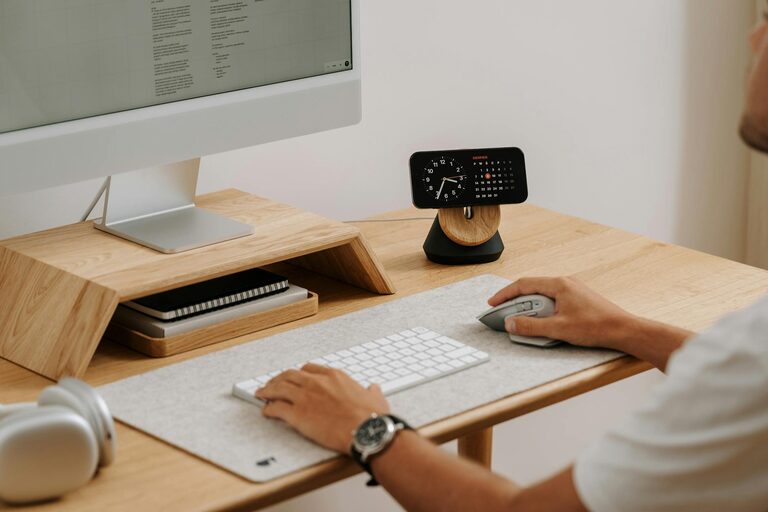
Keep only essentials on your desk, such as your computer, notebook, and a few personal items. Clear surfaces promote mental clarity and calmness.
Incorporate Soothing Elements
Use Calming Colors
Choose paint and decorations in soft, neutral tones like blues, greens, or warm grays. These shades help create a peaceful atmosphere conducive to focus and relaxation.
Add Plants or Natural Elements
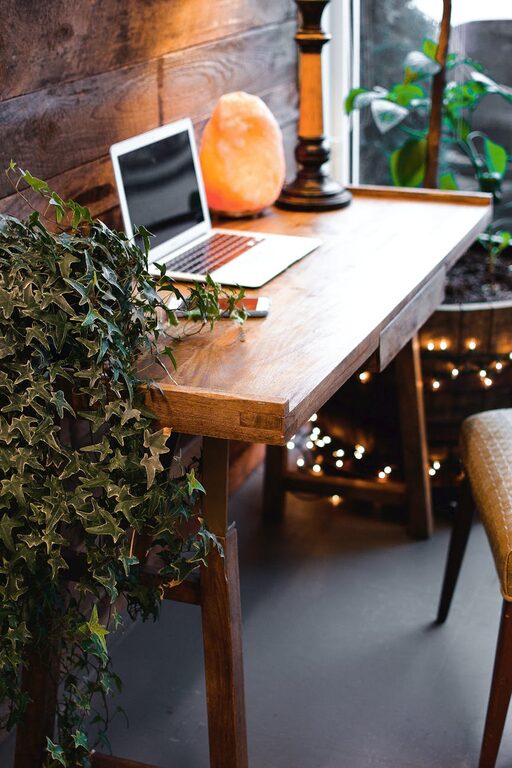
Indoor plants improve air quality and add a touch of nature, which can reduce stress and increase productivity. Even a small succulent or a vase of fresh flowers can brighten your workspace.
Use Soft Textures
Incorporate soft rugs, curtains, or cushions to make your workspace inviting and cozy. Textures can create a comforting environment that makes it easier to sit and work for extended periods.
Manage Noise and Distractions
Use Noise-Cancelling Headphones or White Noise
If your workspace is in a noisy area, noise-cancelling headphones can help block distracting sounds. Alternatively, playing white noise or gentle background music can improve concentration.
Establish Boundaries
If you live with others, communicate your work hours and request minimal interruptions during those times to maintain focus and reduce stress.
Optimize Your Workspace for Productivity
Proper Screen Positioning
Position your computer screen at eye level and about an arm’s length away to reduce neck strain and prevent headaches. Use a monitor stand if necessary to achieve the right height.
Good Air Quality and Temperature
Keep your workspace well-ventilated and at a comfortable temperature, as stuffiness or extreme temperatures can distract and decrease productivity.
Take Breaks and Move Regularly
Design your workspace with movement in mind. Taking short breaks to stretch or walk around helps refresh your mind and maintain energy levels throughout the day.
Personalize Your Workspace to Inspire You
Display Motivational Items
Surround yourself with positive quotes, photos, or artwork that inspire you and boost your mood.
Use Scent to Create a Relaxing Ambiance
Consider subtle scents like lavender or eucalyptus through candles or essential oil diffusers to enhance relaxation.
—
Designing a relaxing home workspace doesn’t require a large budget or extensive remodeling. Small changes focused on comfort, organization, and ambiance can dramatically improve your daily work experience. With these tips, you can create a personal sanctuary that helps you stay productive while feeling at ease throughout your workday.