
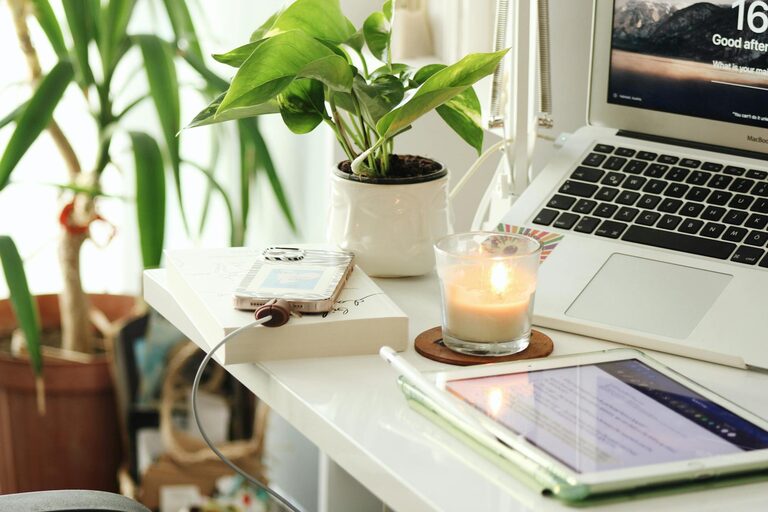
Creating a relaxing home workspace is essential for maintaining productivity and focus during your workday. When your environment feels calm and inviting, it’s easier to stay motivated and complete tasks efficiently. Whether you’re working remotely full-time or just need a dedicated spot for occasional work, designing a space that reduces stress and boosts comfort can make a big difference. Here are practical tips to help you create a relaxing home workspace that supports your productivity.
Choose the Right Location
Selecting the perfect spot for your workspace is the foundation of creating a productive environment.
Consider Natural Light
Try to position your desk near a window where you can get plenty of natural light. Sunlight not only enhances mood but also helps reduce eye strain. If natural light is limited, opt for soft, warm artificial lighting instead of harsh overhead lights.
Minimize Distractions
Choose a quiet corner or room where you can focus without interruptions from family members, pets, or household noise. If complete isolation isn’t possible, noise-canceling headphones or white noise machines can help block distractions.
Invest in Comfortable Furniture
Comfort plays a huge role in your ability to stay productive for extended periods.
Ergonomic Chair
An ergonomic chair supports your posture, reducing back and neck strain. Look for adjustable features such as seat height, lumbar support, and armrests to customize your comfort.
Functional Desk
Pick a desk that fits your space and work needs. Make sure it provides enough surface area for your computer, notebooks, and other tools without feeling cluttered.
Keep Your Workspace Organized
Clutter can make it difficult to focus and increase stress. An organized space promotes calmness.
Declutter Regularly
Clear your desk of unnecessary items daily. Store supplies and paperwork in drawers, shelves, or organizers to keep your work area tidy.
Use Organizers
Desk trays, file holders, and cable management tools can keep everything in place and easily accessible.
Add Personal but Calming Touches
Bringing elements of your personality into your workspace can make it a more enjoyable place to spend time.
Include Plants
Indoor plants improve air quality and add a sense of tranquility. Choose easy-to-care-for varieties like snake plants, pothos, or succulents.
Soothing Colors
Incorporate calming colors such as soft blues, greens, or neutrals in your décor or wall art to create a relaxed atmosphere.
Minimal Decorations
Keep decorations simple and meaningful to avoid visual clutter while making the space feel inviting.
Optimize Your Technology Setup
A smooth and efficient tech setup reduces frustration and keeps you focused on work.
Invest in Quality Equipment
Use a good monitor, keyboard, and mouse to improve comfort and prevent fatigue. Consider a headset for clearer calls.
Manage Cables
Use cable ties or channels to keep cords neat and prevent tangling, which can add to stress.
Establish a Routine and Boundaries
A relaxing workspace is one that also supports healthy work habits.
Set Specific Work Hours
Designate start and end times for your workday to create structure and prevent burnout.
Take Regular Breaks
Use techniques like the Pomodoro method to schedule short breaks, helping you recharge and maintain focus.
Keep Work and Personal Life Separate
Avoid working in bedrooms or on couches to mentally distinguish work from relaxation areas.
Improve Air Quality and Temperature
Physical comfort goes beyond furniture and lighting.
Ventilate Your Workspace
Open windows when possible or use air purifiers to keep the air fresh and reduce allergens.
Maintain Comfortable Temperature
Use fans or heaters as needed to keep the temperature pleasant, as extremes can impact concentration.
Use Sound to Your Advantage
Sound can either distract or soothe you.
Play Background Music
Soft instrumental or nature sounds can enhance concentration for some people.
Control Noise Levels
Use noise-canceling devices or apps that generate white noise to drown out disruptive sounds.
—
Creating a relaxing home workspace tailored to your needs can significantly boost your productivity and overall well-being. By selecting the right location, investing in comfortable furniture, organizing smartly, and adding calming elements, you can build a space that supports both focus and relaxation. Remember, your workspace should feel inviting and functional, helping you do your best work every day.