Working from home has become increasingly common, making it more important than ever to have a home office environment that supports productivity and well-being. Whether you’re a remote employee, a freelancer, or someone who occasionally works from home, creating a dedicated workspace can help you stay focused and maintain a healthy work-life balance. Here are some practical tips to help you design a productive home office environment.
Choose the Right Space
Find a Dedicated Area
Selecting a specific area just for work can help your brain transition into “work mode.” Avoid places that are associated with relaxation, like the bedroom or couch. If space allows, use a separate room or a quiet corner to set up your office.
Consider Natural Light
Try to position your desk near a window to take advantage of natural light. Sunlight can help improve mood and alertness. If natural light is limited, invest in good-quality lighting that mimics daylight to reduce eye strain.
Invest in Comfortable Furniture
Choose an Ergonomic Chair
A comfortable, supportive chair is essential for long hours of work. Look for chairs with adjustable height, lumbar support, and good cushioning to maintain proper posture.
Use a Suitable Desk
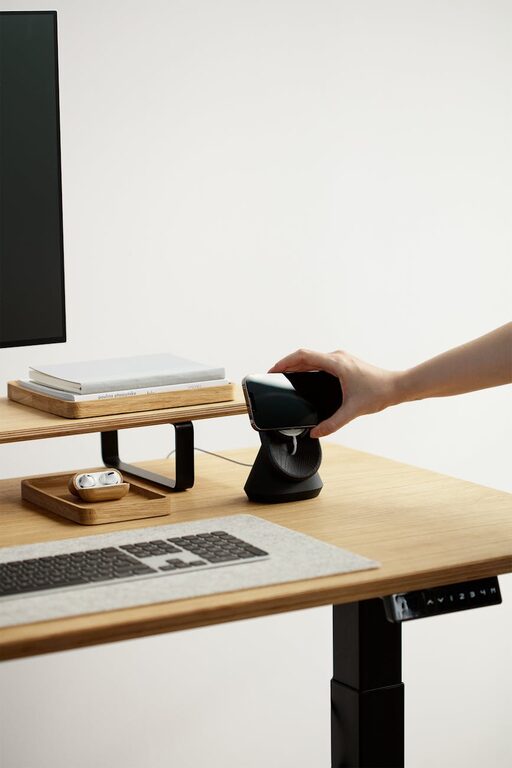
Make sure your desk fits your workspace and work style. Whether you prefer a traditional desk or a standing desk, it should provide enough space for your computer, accessories, and any papers or tools you need.
Organize for Efficiency
Declutter Regularly
Keep your workspace tidy by removing unnecessary items. A clean desk can prevent distractions and help you focus on the task at hand.
Use Storage Solutions
Incorporate shelves, drawers, or organizers to keep supplies and documents in order. Label containers or files for easy retrieval and maintain a filing system for important paperwork.
Minimize Distractions
Manage Noise Levels
If ambient noise distracts you, consider noise-canceling headphones or playing soft background music. Alternatively, a white noise machine can mask disruptions and create a consistent sound environment.
Set Boundaries with Others
Communicate your work hours and boundaries with family or housemates to reduce interruptions. Use signals like a closed door or a “do not disturb” sign during focused work sessions.
Optimize Technology
Reliable Internet Connection
Ensure your internet connection is fast and stable. A strong connection minimizes frustration during video meetings and prevents delays in online tasks.
Good Quality Equipment
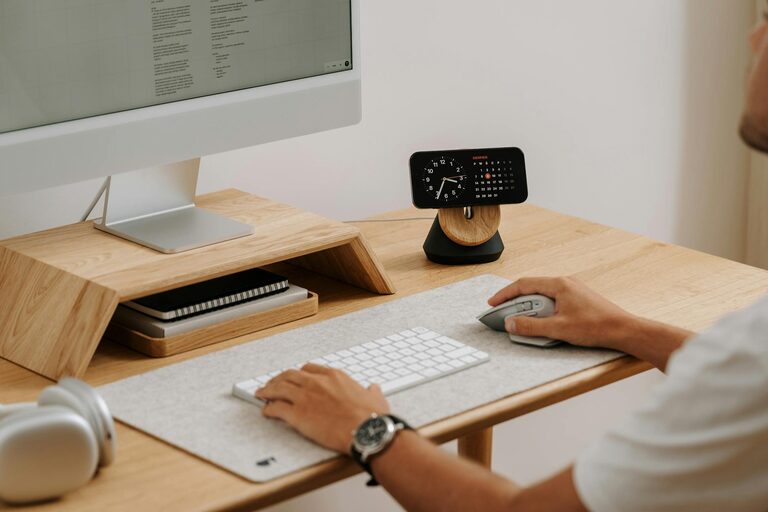
Invest in a decent computer, monitor, keyboard, and mouse that suit your workload. Consider accessories like a webcam and microphone for seamless virtual communication.
Create a Personalized and Motivating Space
Add Personal Touches
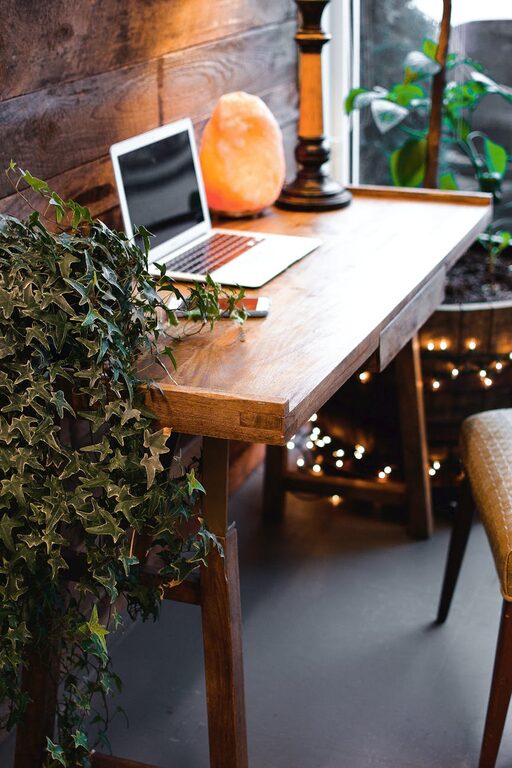
Decorate your workspace with items that inspire you, such as plants, artwork, or photos. These small touches can make your workspace inviting and boost your mood.
Use Color Thoughtfully
Colors influence mood and energy. Soft blues and greens tend to be calming, while brighter colors like yellow can increase creativity and energy levels. Choose colors that align with the atmosphere you want to create.
Develop Healthy Work Habits
Set a Schedule
Maintain regular work hours to create structure. Starting and ending your day at consistent times improves focus and helps separate work from personal life.
Take Breaks
Incorporate short breaks throughout your day to stretch, move around, and rest your eyes. Use techniques like the Pomodoro method—work for 25 minutes, then take a 5-minute break.
Stay Hydrated and Snack Wisely
Keep water nearby to stay hydrated and opt for healthy snacks to maintain energy without crashes.
Maintain Good Air Quality and Temperature
Ventilation and Fresh Air
Keep your workspace well-ventilated to ensure fresh air circulation. Opening a window or using an air purifier can improve air quality and help maintain alertness.
Comfortable Temperature
Adjust the room temperature to a comfortable level. If the space is too hot or cold, your focus may suffer.
—
Creating a productive home office environment involves both physical setup and behavioral habits. By designing a space that is comfortable, organized, and free of distractions, you set yourself up for success in your work-from-home routine. Remember, small changes can make a big difference, so experiment with different strategies to find what works best for you.